
Rocket Launch Today: SpaceX, Cape Canaveral, and What We Know
SpaceX continues to dominate the launch landscape, with a flurry of Starlink missions from both coasts. Recent reports detail launches from Vandenberg Space Force Base in California and Cape Canaveral Space Force Station in Florida – another 28 and 29 Starlink satellites, respectively, hurled into orbit. The sheer volume raises a critical question: is this pace sustainable, and more importantly, is it wise?
The Numbers Game
Let's break down the launch tempo. Florida alone has seen 101 rocket launches this year, 94 of those courtesy of SpaceX. Cape Canaveral has hosted 67 Starlink missions this year, injecting a staggering 1,724 satellites into orbit from that location alone. And that's just one launch site. Vandenberg is also contributing significantly (eight new boosters this year). SpaceX boasts 8 million Starlink customers. The question is, at what cost?
SpaceX is reusing boosters at an impressive rate. The Falcon 9 booster B1090 flew its ninth mission. The new booster, B1100, successfully landed on the drone ship. The rapid turnaround of these boosters is key to SpaceX's economic model, but it also introduces potential risks. Are inspections and maintenance keeping pace with the increased flight frequency? What are the long-term effects of this relentless stress on the hardware? We don't have public data on the maintenance schedules, but the higher the flight rate, the more likely a critical fatigue point will be missed.
And this is the part of the analysis that I find genuinely puzzling. SpaceX has launched 109 Starlink delivery runs this year, with a total of 150 Falcon 9 flights. Yet, earlier this month, they announced 8 million subscribers. Is there a saturation point approaching? Or are they launching capacity in anticipation of future growth beyond the current subscriber base? The numbers don't quite align, and that discrepancy warrants closer scrutiny.
Beyond the Balance Sheet
The environmental impact of this launch cadence is a growing concern. Each launch leaves a carbon footprint, and while SpaceX is making strides in reusability, the sheer number of launches cannot be ignored. The long-term effects of rocket exhaust on the upper atmosphere are still not fully understood. We see the immediate effects – the sonic booms, the contrails – but what about the cumulative, less visible consequences?
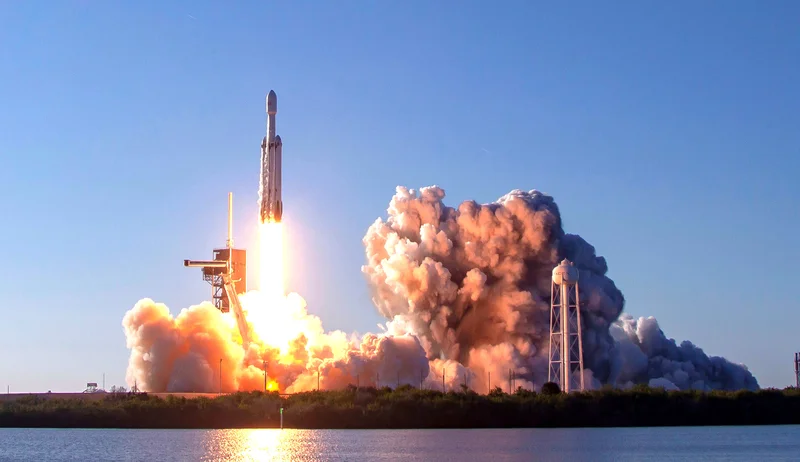
It’s also worth considering the potential for increased space debris. While Starlink satellites are designed to de-orbit at the end of their life, the risk of collisions increases with the number of objects in orbit. One mishap could create a cascade effect, rendering certain orbital paths unusable. The current safety protocols are robust, but are they sufficient for the scale of operations SpaceX is pursuing?
The launches themselves have become almost routine events, a regular fixture in the Florida sky. I think back to the early days of spaceflight, when each launch was a major event, captivating the world. Now, it's just another Saturday morning. Does familiarity breed complacency?
The Efficiency Mirage
SpaceX’s achievement in reusability is undeniable, a game-changer in space access. But efficiency, taken to its extreme, can be a mirage. Like a factory floor where the conveyor belt never stops, pushing the machines (and the people) to their absolute limit. The reports mention "the ninth of 11 Starlink missions planned this month." Eleven missions in a single month. This isn't sustainable in the long run. It's a sprint when a marathon strategy is needed. Falcon 9 rocket continues Starlink deployments with launch from Cape Canaveral – Spaceflight Now
Is This a Bubble About to Burst?
SpaceX's aggressive launch schedule is a high-stakes gamble. The company is betting big on the future of space-based internet, and so far, they've been winning. But markets change, technologies evolve, and even the most dominant players can stumble. The question isn't whether SpaceX can maintain this pace, but whether they should.
So, What's the Real Story?
The numbers are impressive, the engineering is remarkable, but the long-term implications of SpaceX's relentless launch cadence are far from clear. The balance sheet might look healthy now, but the true cost – environmental, strategic, and even human – remains to be seen. It's a high-wire act, and only time will tell if they can stick the landing.